


Looking for new places to visit and make memories? Romania might be perfect for your next trip! This Eastern European country is filled with amazing sights that tell stories of its rich past and culture.
Romania offers visitors old castles, beautiful mountains, and charming villages that show off the country’s unique character.
Our list of important landmarks will help you see the best parts of Romania, a place where history and natural beauty come together in wonderful ways.
Go through our guide to find both famous attractions and hidden spots across Romania that many travelers don’t know about yet.
Some Beautiful Must-Visit Romania Landmarks
1. Bran Castle (Dracula’s Castle)
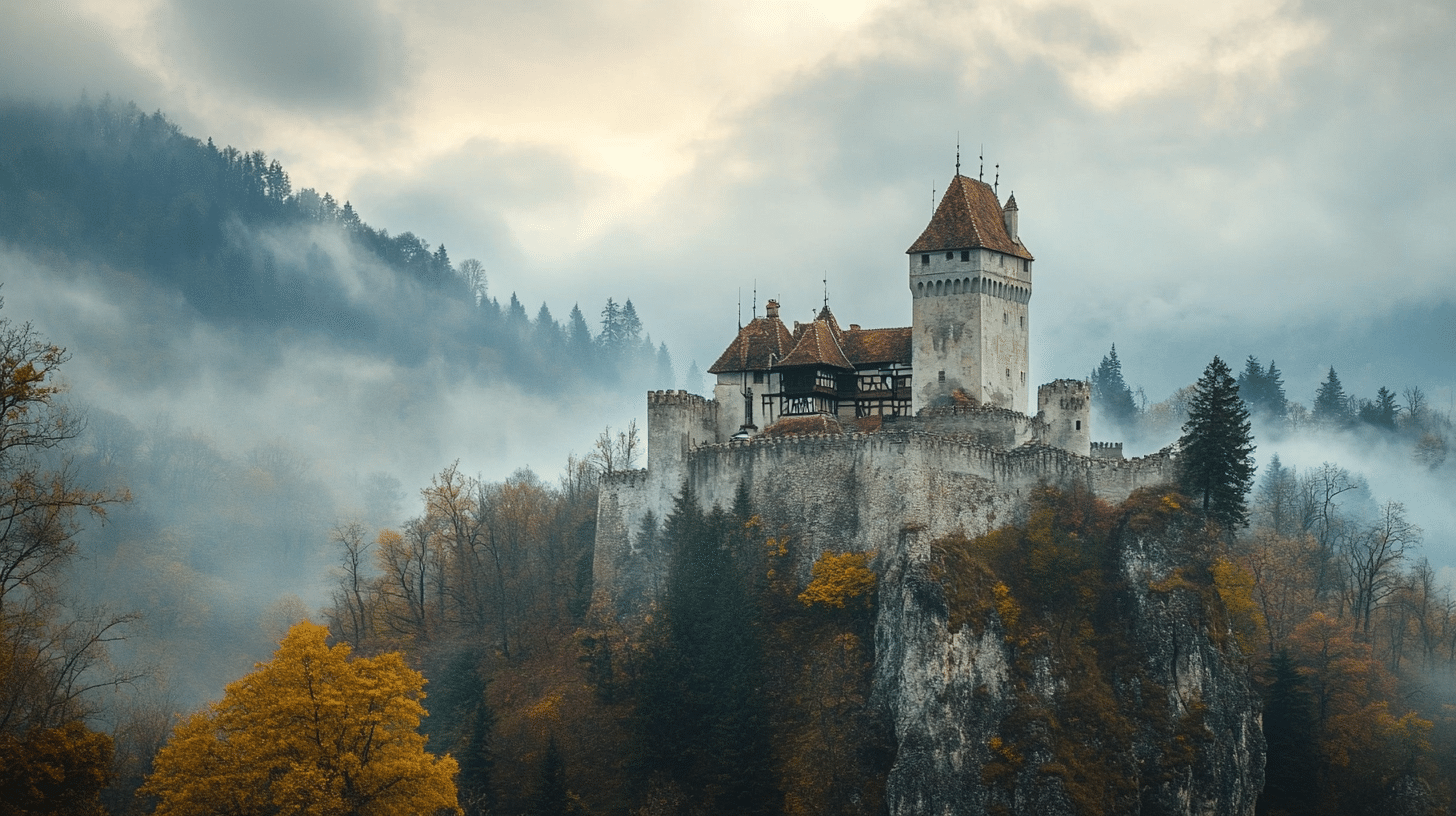
History and Importance: A medieval fortress connected to Vlad the Impaler’s legends, Bran Castle stands as a significant historical monument in Transylvania. Built in 1377, the castle served strategic military and customs purposes. Despite limited direct connections to Dracula, it has become a symbol of Romanian cultural heritage and attracts global tourists fascinated by gothic storytelling.
When to Visit: Best visited during late spring (May- June) or early autumn (September- October) when weather conditions are mild and comfortable. Summer months can be crowded with international tourists.
Fun Facts:
- Queen Marie of Romania significantly restored the castle in the early 20th century
- The castle has 57 rooms with various interconnected spaces
- Each room contains unique historical artifacts and medieval furniture
2. Palace of the Parliament
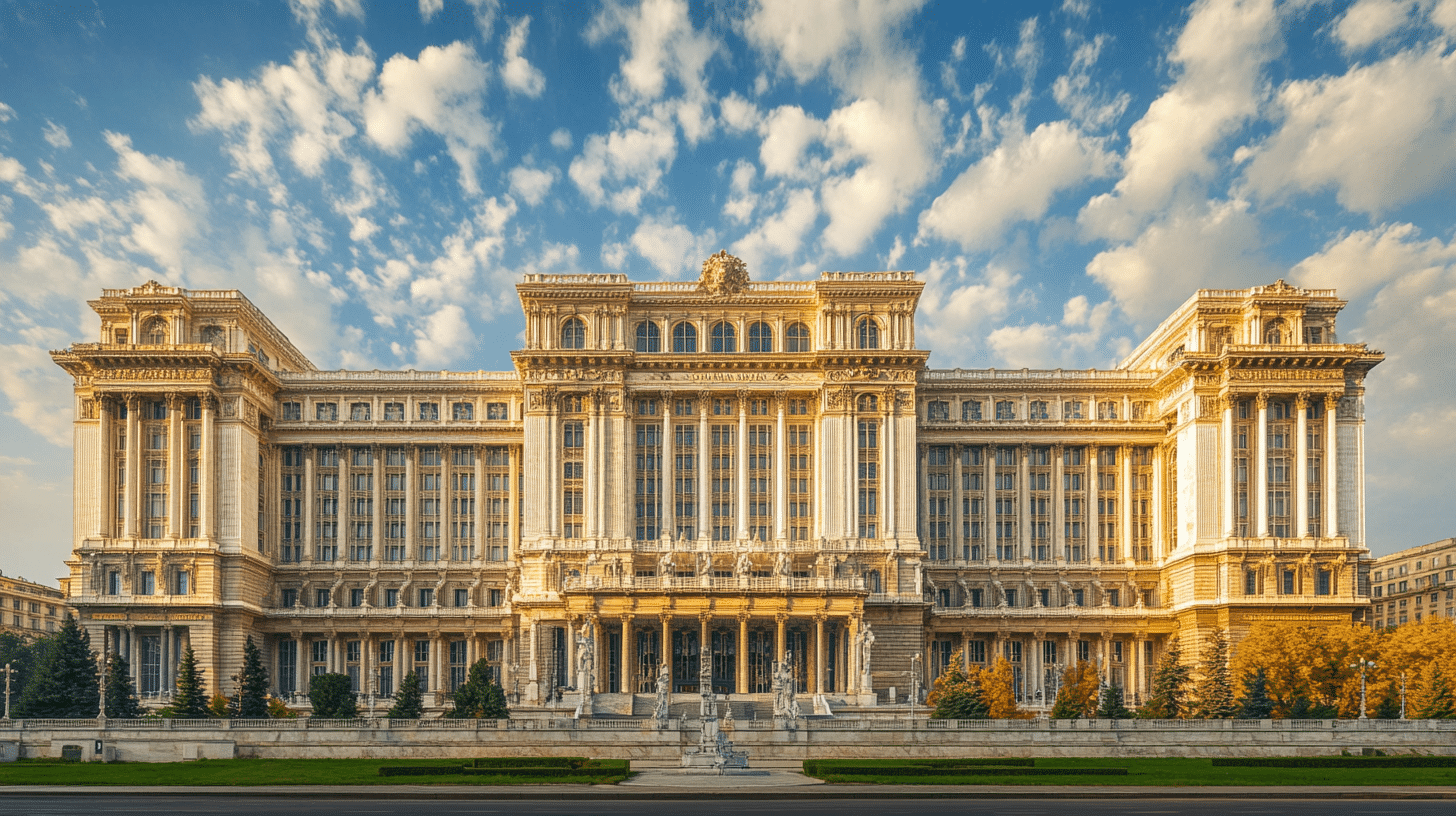
History and Importance: Constructed during Nicolae Ceaușescu’s communist regime, this massive administrative building represents a complex political symbol. Completed in 1994, it stands as the world’s largest civilian building and second-largest administrative structure. The construction required significant national resources and represents a powerful architectural statement of Romania’s communist period.
When to Visit: It is recommended that you visit during spring (April- May) or autumn (September- October), when temperatures are moderate and crowds are smaller.
Fun Facts:
- Weighs approximately 4,098,500 tons
- Contains 1,100 rooms across 365,000 square meters
- Uses massive quantities of marble and crystal
3. Peleș Castle
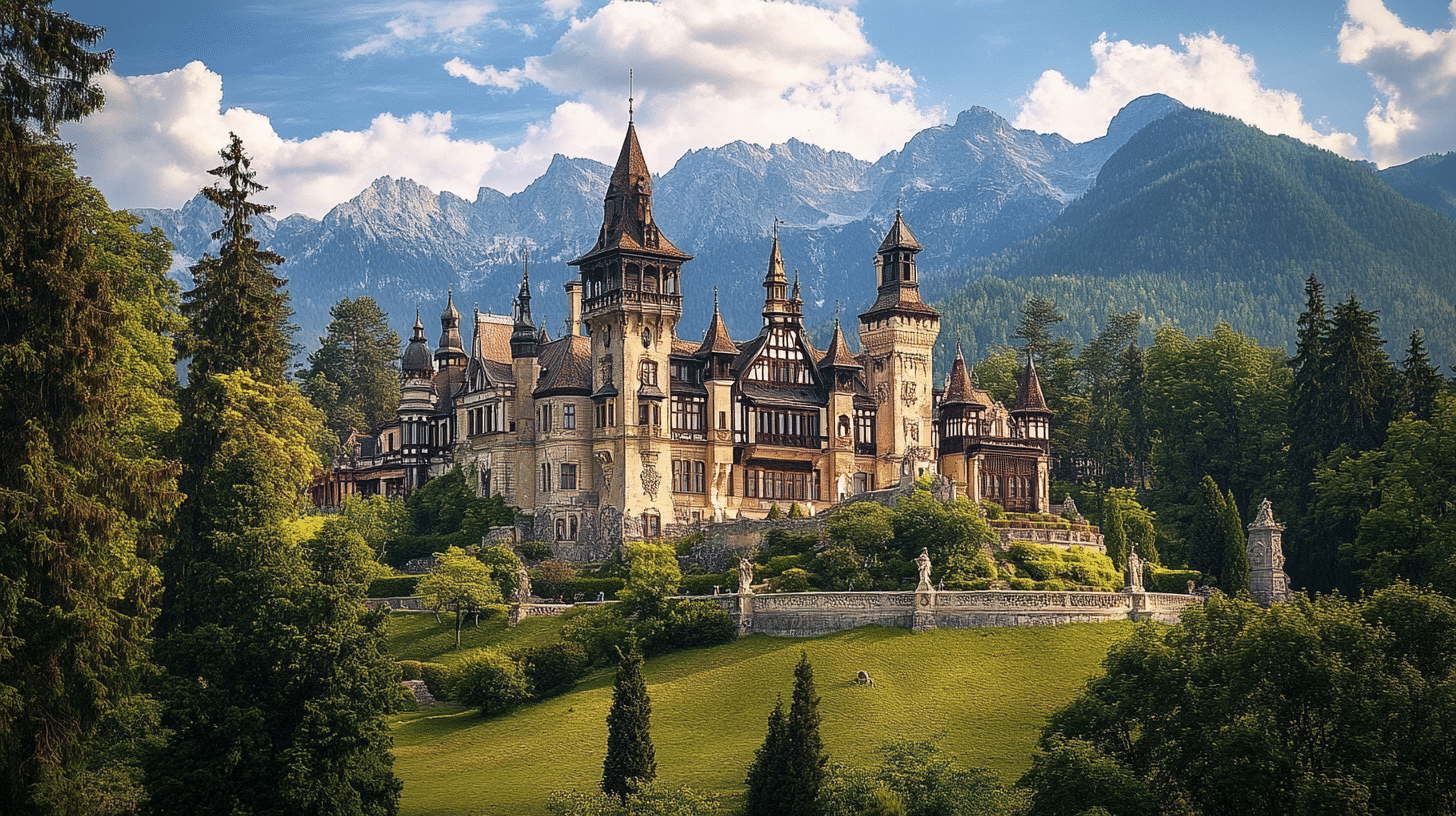
History and Importance: Located in the Carpathian Mountains, Peleș Castle served as the Romanian royal family’s summer residence. Constructed between 1873 and 1914, it represents a remarkable example of neo-Renaissance architecture. King Carol I commissioned the castle, which became a significant cultural and historical landmark representing Romania’s royal heritage.
When to Visit: Late spring and early autumn provide optimal visiting conditions with mild temperatures and beautiful landscape colors.
Fun Facts:
- First castle in the world completely powered by hydroelectricity
- Contains over 170 rooms filled with exceptional artwork
- Each room represents a different historical or cultural theme
4. Corvin Castle (Hunedoara Castle)
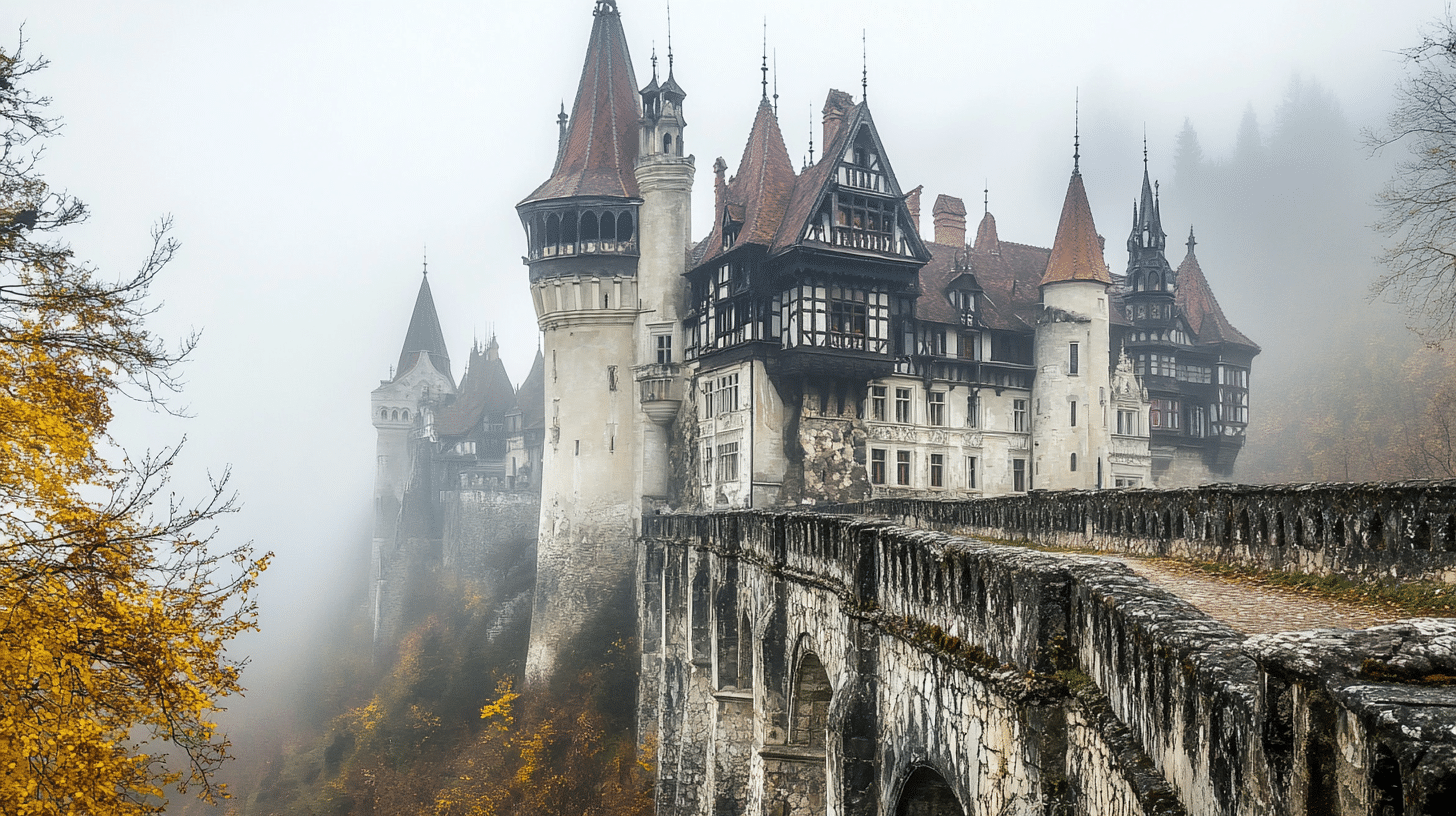
History and Importance: A Gothic-style castle constructed in the 15th century, Corvin Castle represents a critical piece of Transylvanian medieval architecture. Built on the site of an earlier fortification, it was the residence of Matei Corvin, one of Hungary’s most important kings. The castle symbolizes the region’s complex historical transformations.
When to Visit: It is best to visit in late spring and early autumn, when weather conditions are favorable for exploring outdoor and indoor spaces.
Fun Facts:
- Contains a famous legend about a deep well dug by prisoners
- Features multiple architectural styles, including Gothic, Renaissance, and Baroque
- Underwent extensive restoration to preserve its historical integrity
5. Romanian Atheneum (Ateneul Român)
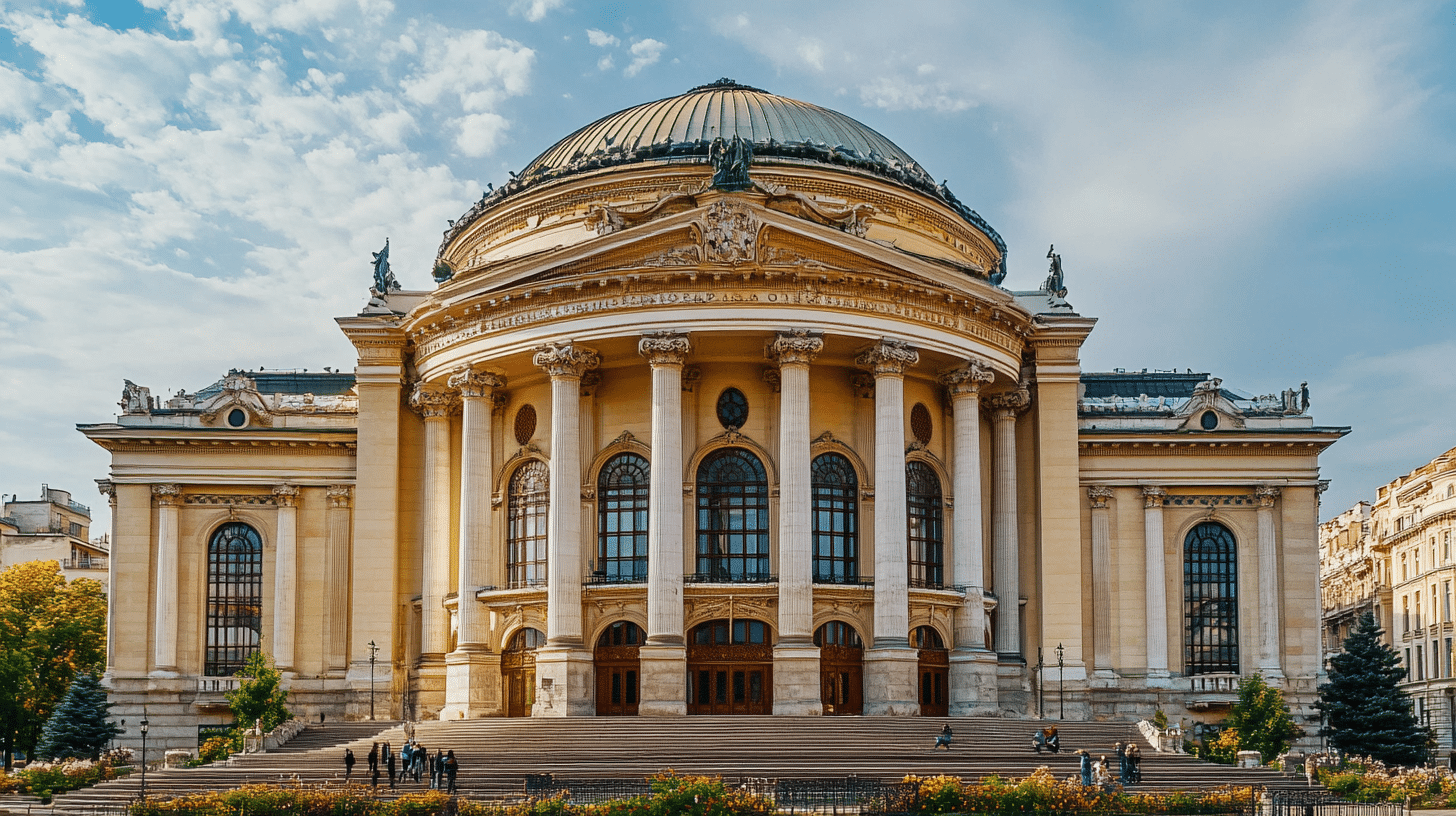
History and Importance: A concert hall in Bucharest, the Romanian Atheneum represents a crucial cultural institution. Completed in 1888, it was primarily funded through public donations. The building symbolizes Romania’s cultural and artistic aspirations during the late 19th century, hosting significant musical and cultural events.
When to Visit: It is best to visit during concert seasons, typically spring and autumn, when cultural events are most frequent.
Fun Facts:
- The circular hall features a massive fresco depicting Romanian historical moments.
- Designed by French architect Albert Galleron
- Considered an architectural masterpiece of Bucharest
6. Sighișoara Clock Tower
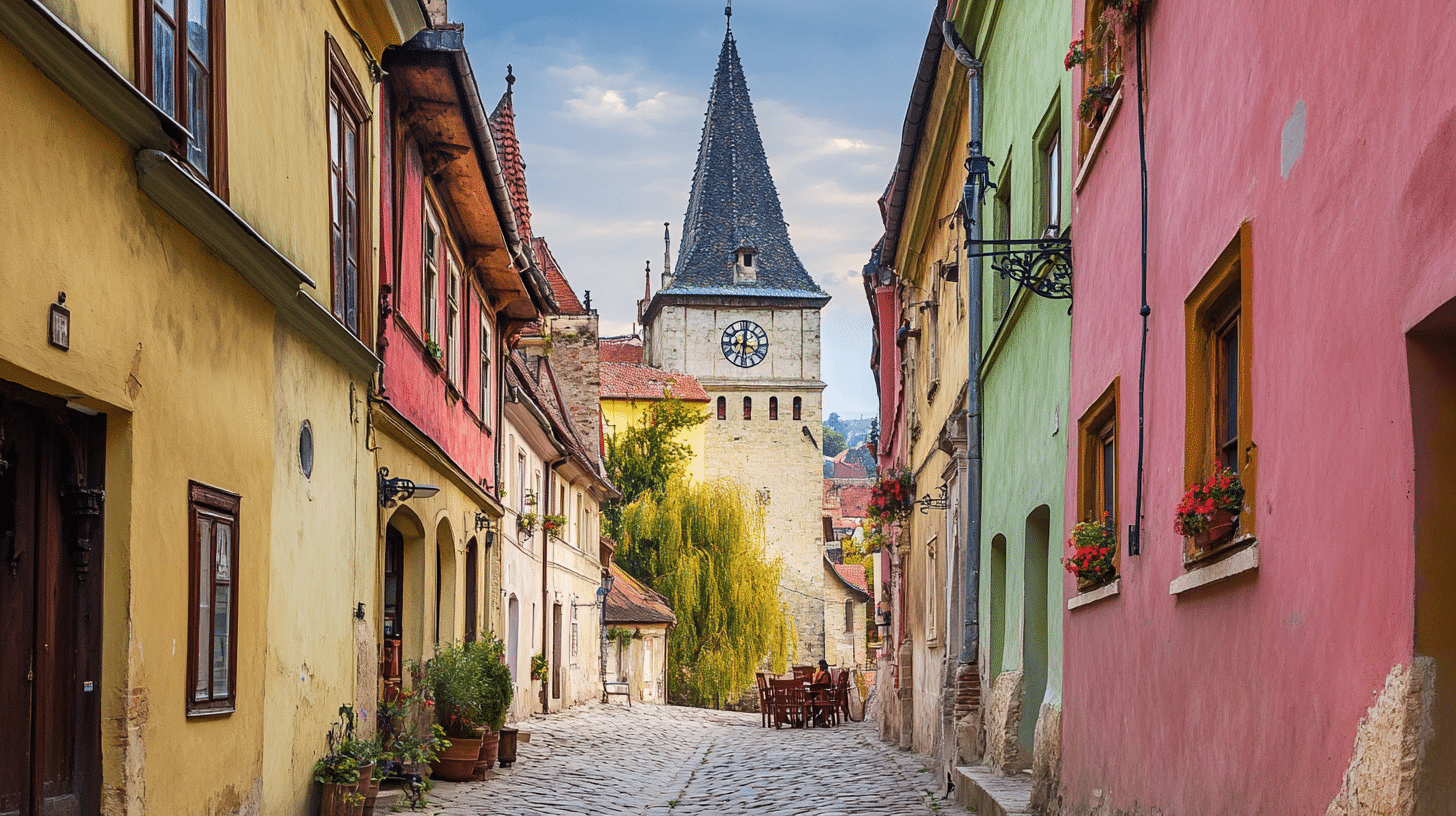
History and Importance: Built in the 14th century, the Clock Tower stands as a defining symbol of Sighișoara’s medieval heritage. This architectural marvel served as the main gate and defense point for the citadel. It represents the town’s strategic importance during Saxon times, showcasing intricate defensive mechanisms and historical significance in Transylvanian urban development.
When to Visit: Best during summer months (June-August) when medieval festivals occur.
Fun Facts:
- Features a complex mechanism with figurines
- Contains a museum showcasing local history
- Part of UNESCO World Heritage Site
7. Black Church (Biserica Neagră)
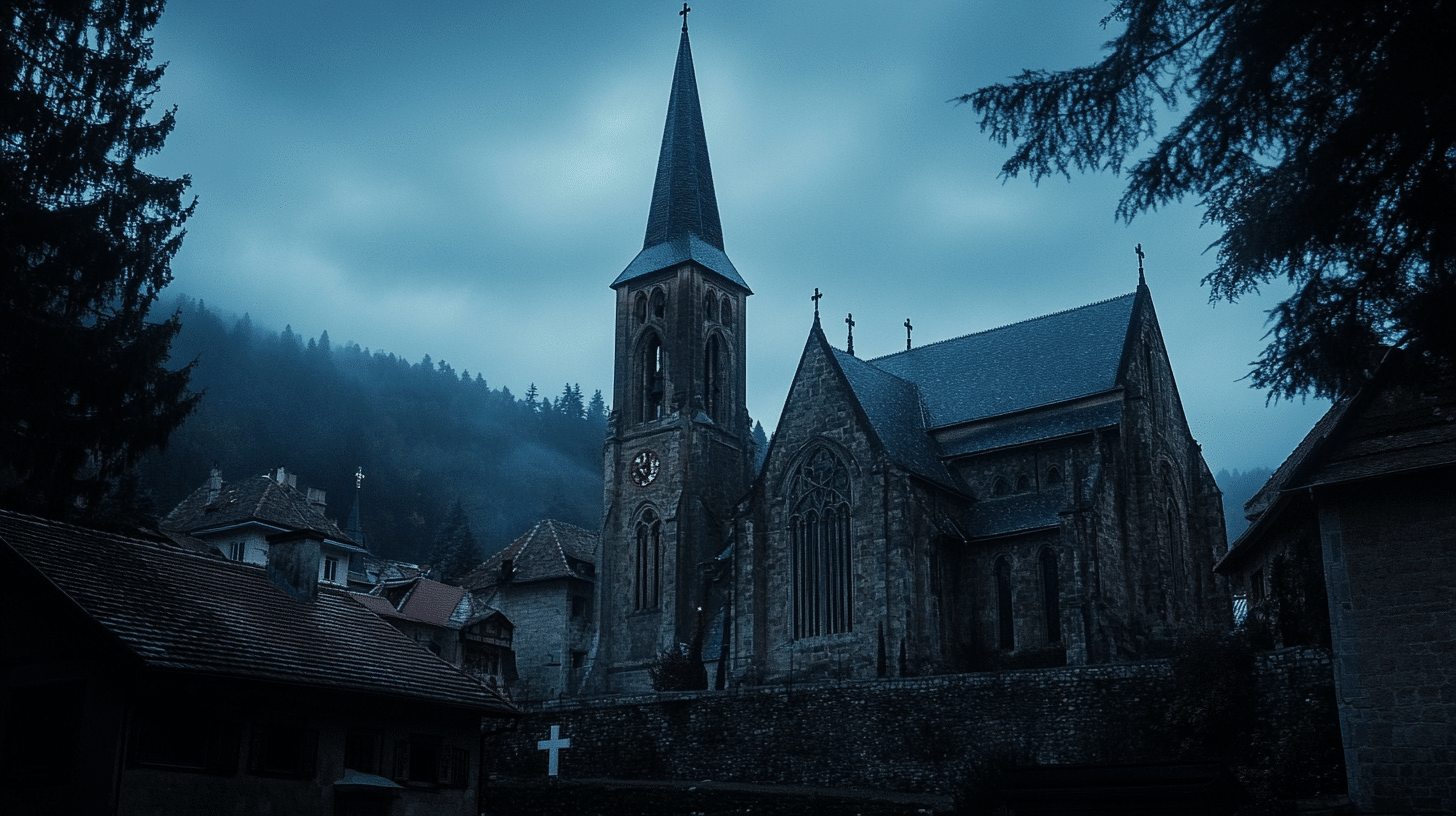
History and Importance: Constructed in the 14th- 15th centuries, this Gothic church represents Brașov’s rich cultural heritage. Significantly damaged by a massive fire in 1689, which gave it its current name, the church stands as a testament to Transylvanian Saxon architectural prowess and religious history.
When to Visit: Spring and autumn offer optimal weather conditions.
Fun Facts:
- Houses one of Europe’s largest organ collections
- Contains an extensive collection of Anatolian carpets
- Survived multiple historical challenges
8. Palace of Culture (Palatul Culturii)
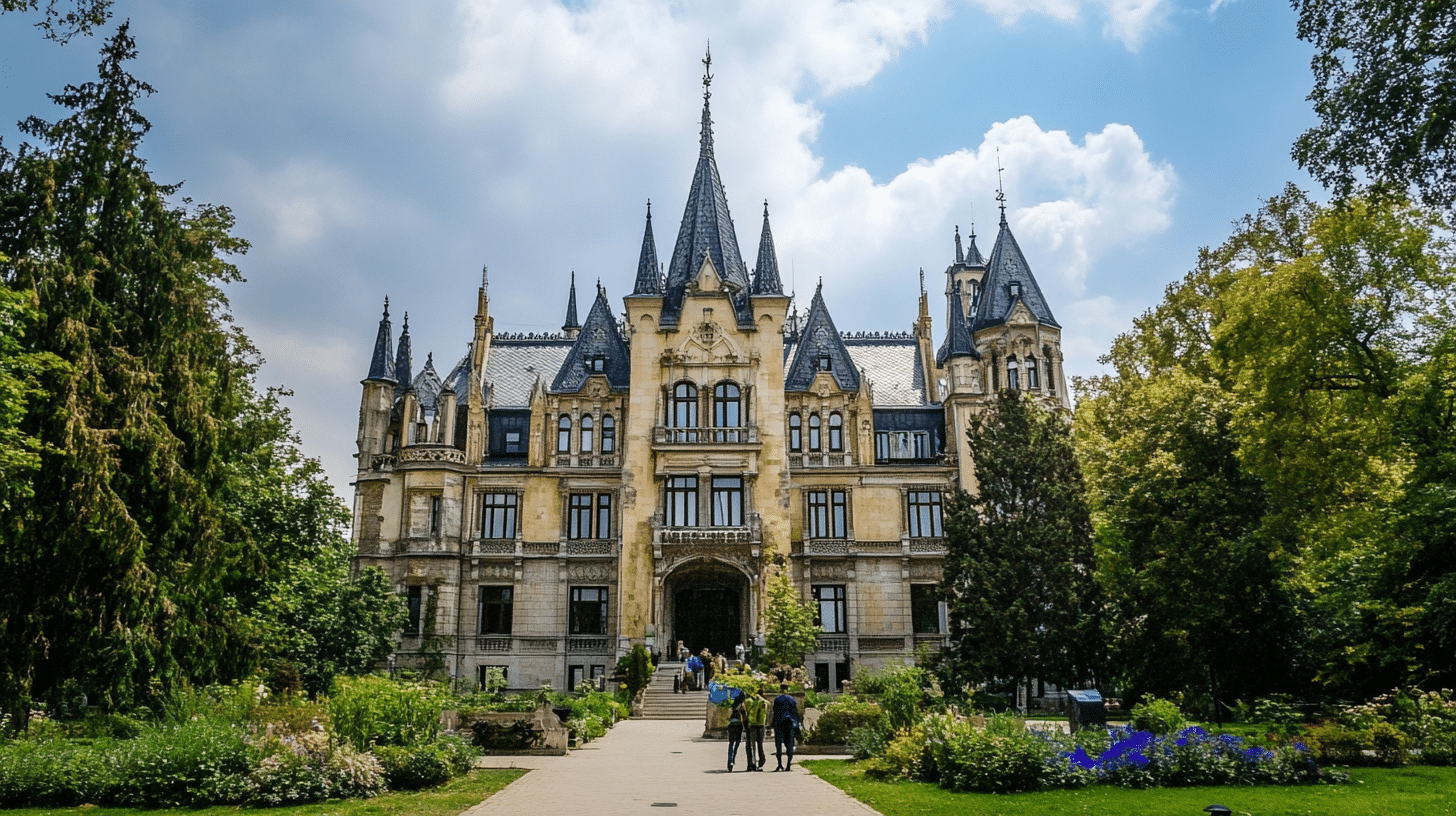
History and Importance: Located in Iași, this neogothic masterpiece was built between 1906-1925 on the site of an old royal court. It represents a crucial cultural center housing four major museums, symbolizing Romania’s intellectual and artistic heritage during the early 20th century.
When to Visit: Late spring and early autumn provide ideal conditions.
Fun Facts:
- Covers 36,000 square meters
- Contains over 300 rooms
- Hosts numerous cultural exhibitions
9. Voroneț Monastery
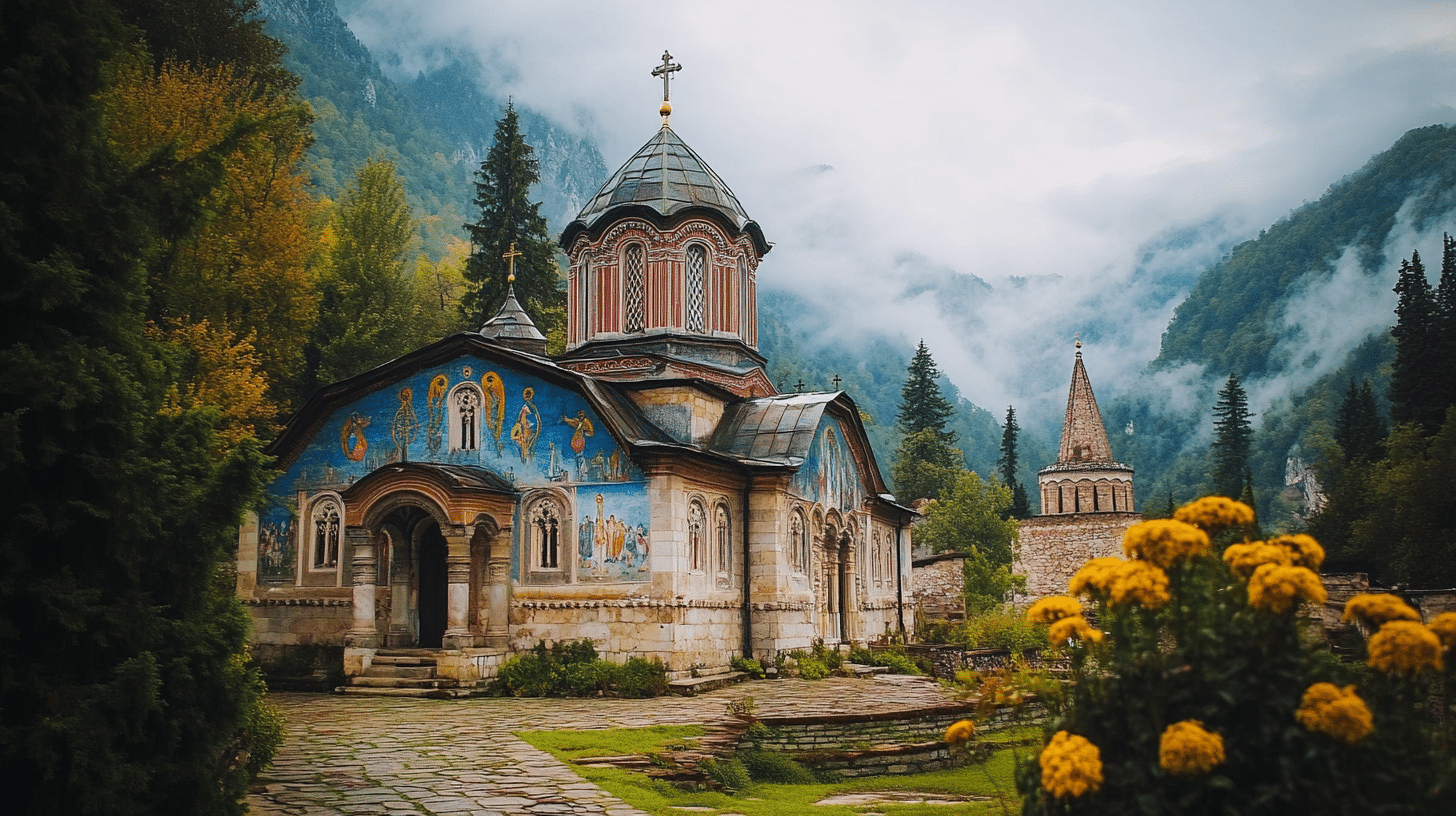
History and Importance: Founded in 1488 by Stephen the Great, Voroneț Monastery is a masterpiece of Byzantine art. Known for its remarkable exterior frescoes, particularly the intense blue color, it represents a pinnacle of Romanian Orthodox ecclesiastical architecture and artistic expression.
When to Visit: Late spring to early autumn (May-September)
Fun Facts:
- Called “The Sistine Chapel of the East”
- Features unique, vibrant blue frescoes
- Preserves complex religious artwork
10. Transfăgărășan Highway

History and Importance: Constructed between 1970 and 1974 during Nicolae Ceaușescu’s regime, this mountain road crosses the Southern Carpathians. An engineering marvel, it connects Transylvania and Wallachia through challenging mountainous terrain, symbolizing Romania’s technical capabilities.
When to Visit: Mid-July to September, when snow has cleared
Fun Facts:
- Reaches altitudes over 2,000 meters
- Considered one of the world’s most spectacular roads
- Challenging construction with significant obstacles
11. The Sphinx (Bucegi Mountains)
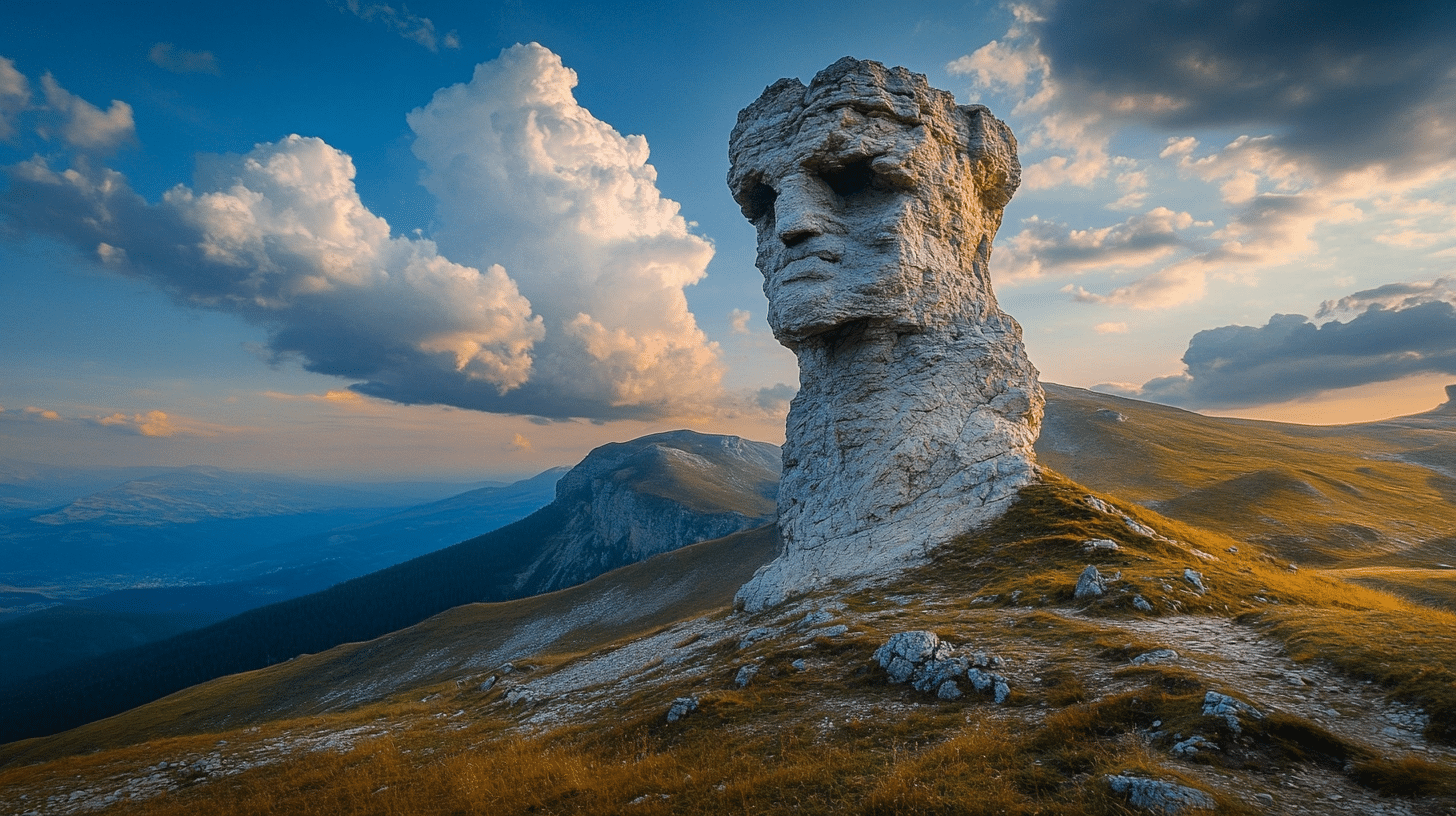
History and Importance: A natural rock formation created through millions of years of geological processes, the Bucegi Sphinx stands as a remarkable geological wonder. Located at 2,216 meters altitude, this unique stone structure has intrigued scientists and visitors alike. It represents a fascinating example of erosion and natural sculptural formations in the Carpathian Mountains.
When to Visit: Best during summer months (June-September)
Fun Facts:
- Formed by wind and rain erosion
- Associated with mystical local legends
- Popular spot for mountain photographers
12. Cazanele Dunării
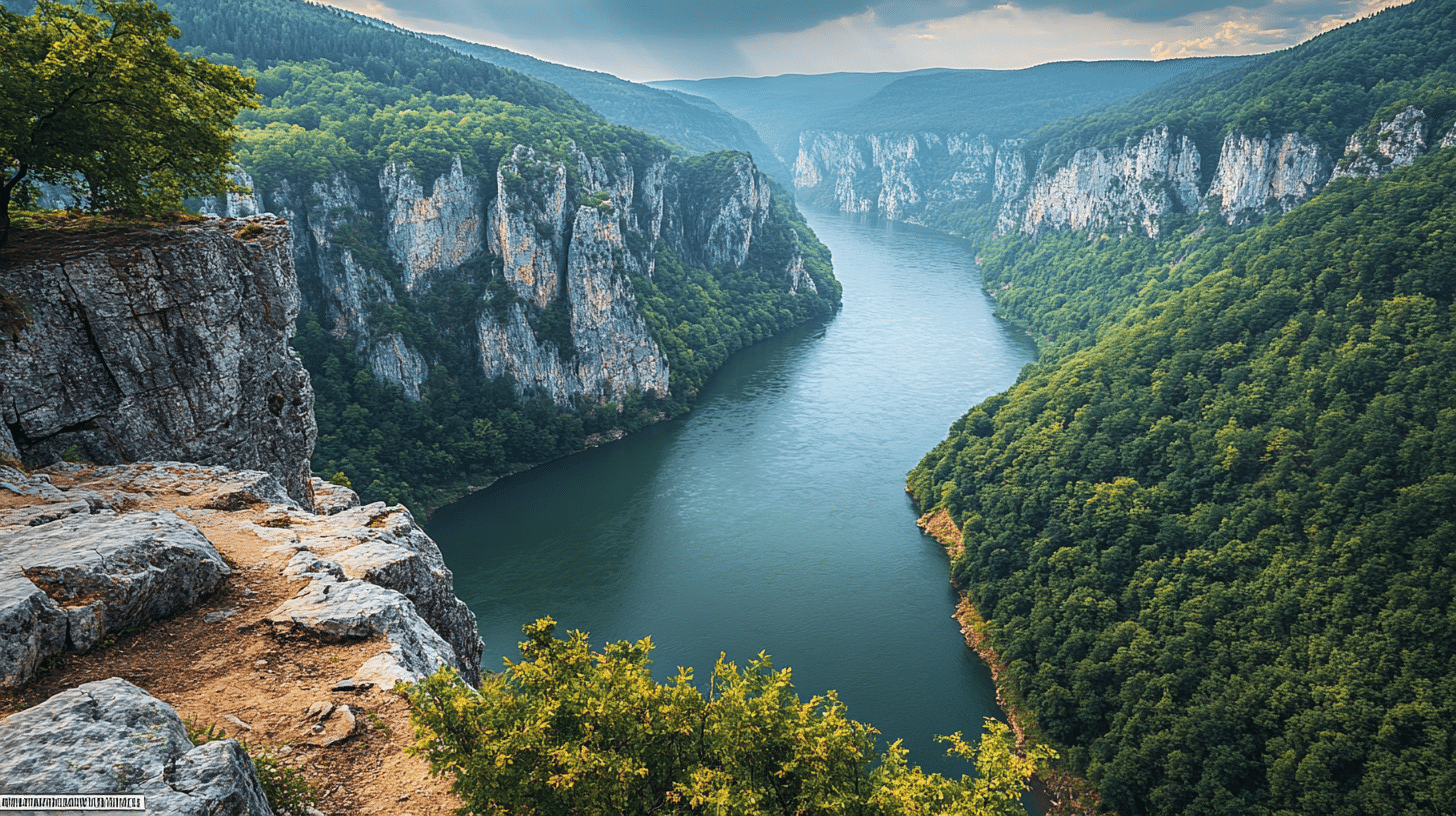
History and Importance: A dramatic geological formation where the Danube River carves through the Carpathian Mountains, creating stunning narrow gorges. This natural landmark represents a critical point in the river’s journey, marking the border between Romania and Serbia. The area has significant ecological and geographical importance.
When to Visit: Late spring to early autumn (May-October)
Fun Facts:
- Contains the famous “Decebalus Rex” rock sculpture
- Home to unique flora and fauna
- Considered one of Europe’s most spectacular river passages
13. Merry Cemetery (Cimitirul Vesel)
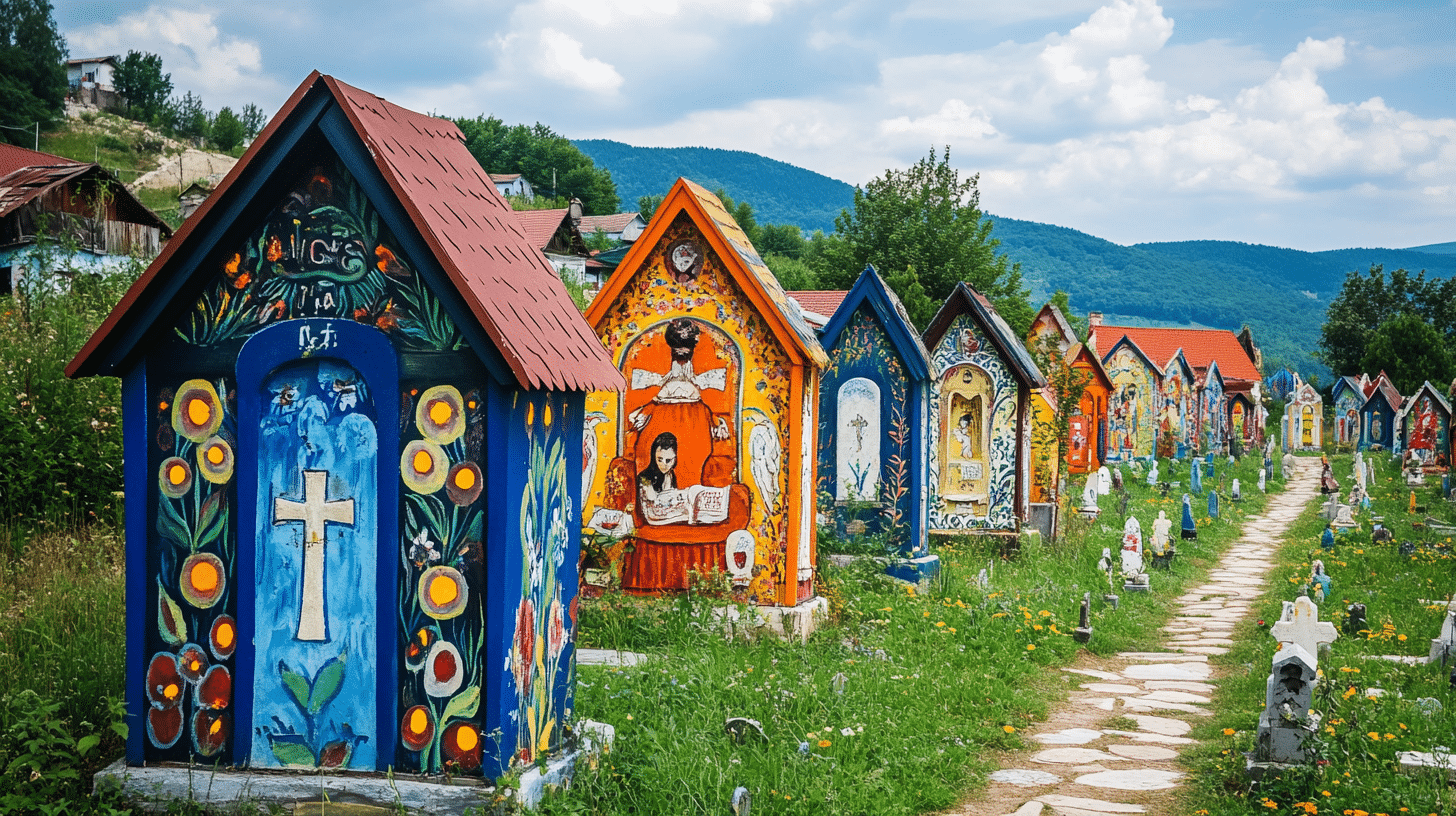
History and Importance: Located in Săpânța, this unique cemetery transforms the traditional concept of mourning. Created by local artist Stan Ioan Pătraș, each tombstone features colorful paintings and humorous epitaphs that celebrate the deceased’s life. It represents a distinctive Romanian cultural approach to death and remembrance.
When to Visit: Summer months (June-August)
Fun Facts:
- Over 800 colorful tombstones
- Each epitaph tells a life story
- Unique cultural heritage site
14. Scărișoara Cave
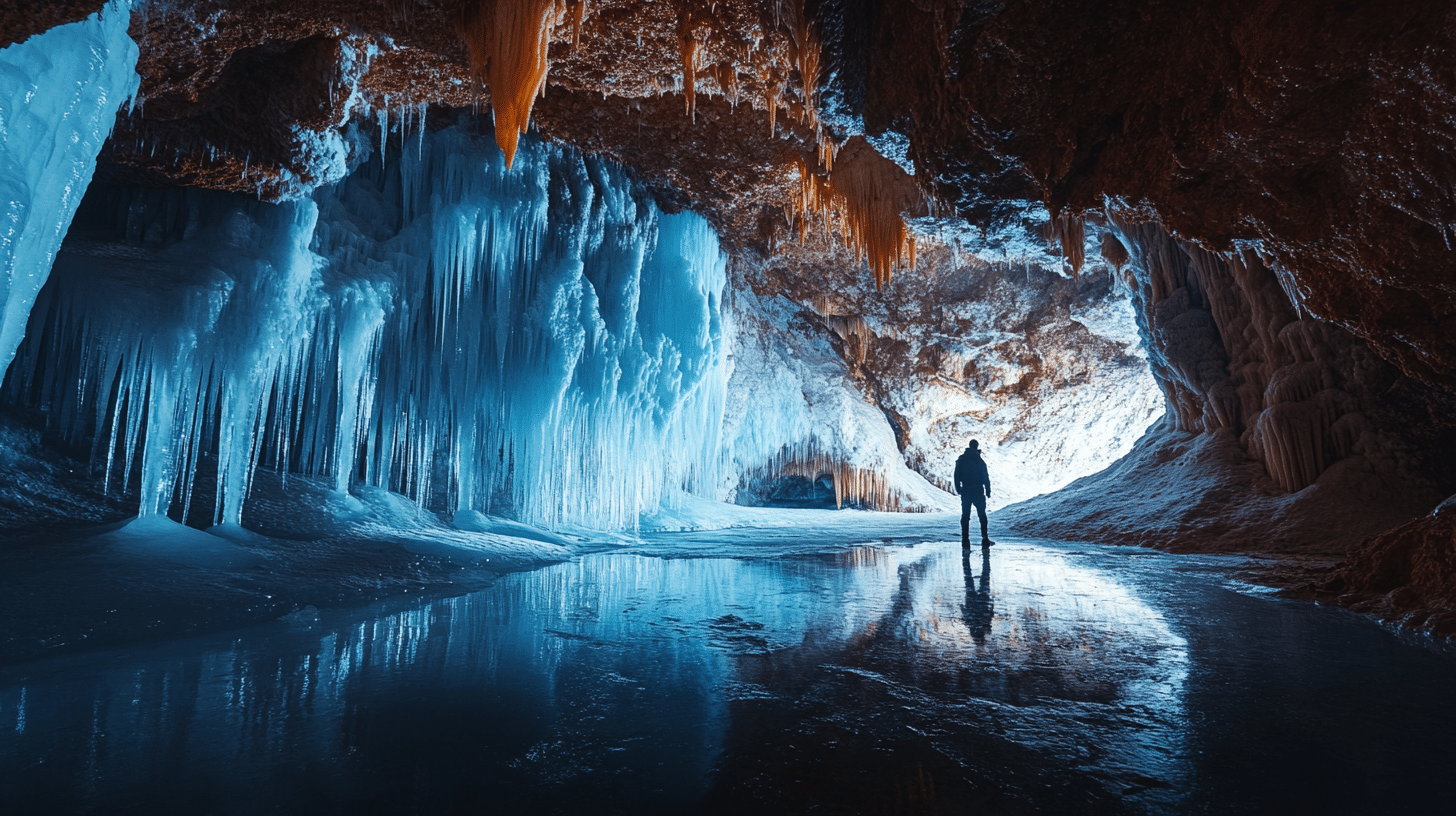
History and Importance: Located in the Apuseni Mountains, this remarkable cave houses the largest underground glacier in Romania. Discovered in 1863, the cave maintains a constant temperature below freezing, preserving an ancient ice formation. Scientific studies have revealed the cave’s significance in understanding geological and climatic history.
When to Visit: Best during summer months. Avoid winter due to challenging access.
Fun Facts:
- Ice formation dates back 3,500 years
- Maintains temperatures below 0°C
- Important research site for glaciology
15. Bigăr Waterfall
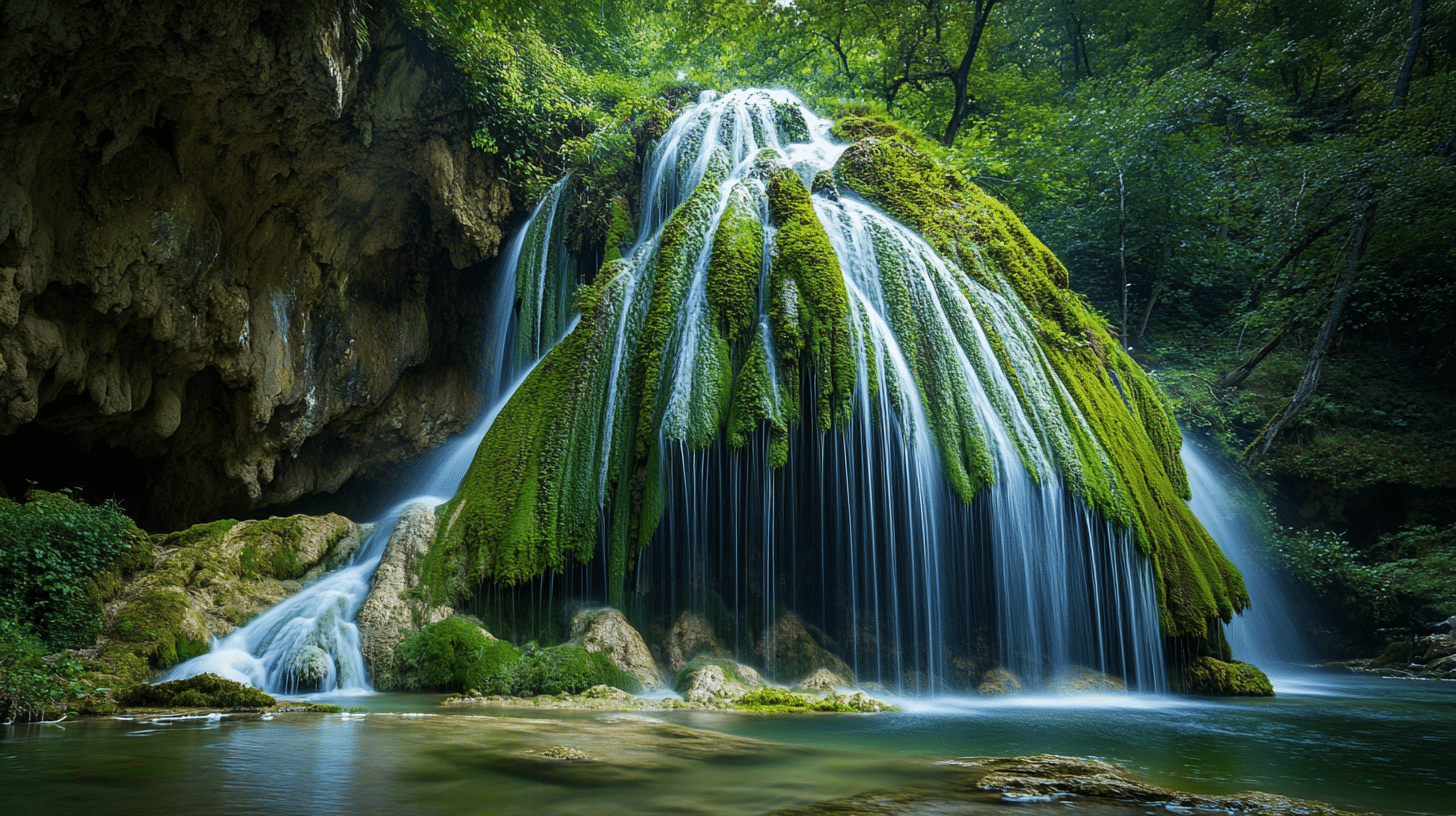
History and Importance: Situated in Caraș-Severin County, this unique waterfall is renowned for its extraordinary moss-covered rock formation. The water cascades gently over a circular rock covered in vibrant green moss, creating a mesmerizing natural spectacle. It represents the delicate beauty of Romania’s natural landscapes.
When to Visit: Late spring to early autumn (May-September)
Fun Facts:
- Named one of the most beautiful waterfalls globally
- Located in a protected natural area
- Unique geological formation
16. Constanța Casino
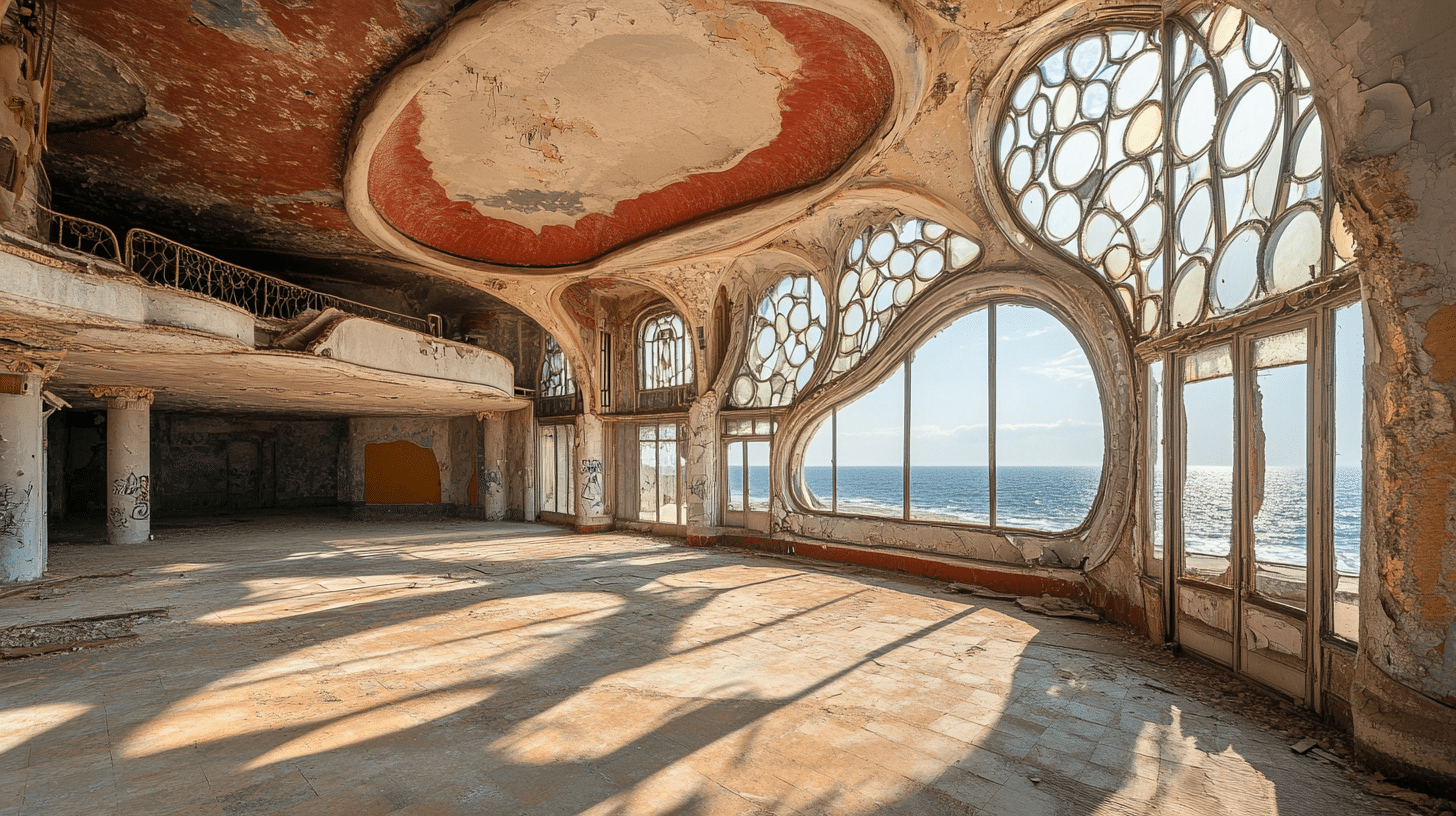
History and Importance: Constructed in 1910, the Constanța Casino represents a remarkable art deco architectural marvel on the Black Sea coast. Designed by Romanian and Swiss architects, it symbolizes the city’s golden age of prosperity. Once a glamorous social center, the building reflects Romania’s early 20th-century cultural aspirations and architectural innovation.
When to Visit: Late spring to early autumn (May-September)
Fun Facts:
- Designed by Daniel Renard
- Survived multiple historical periods
- Considered a landmark of Romanian maritime architecture
17. Sarmizegetusa Regia
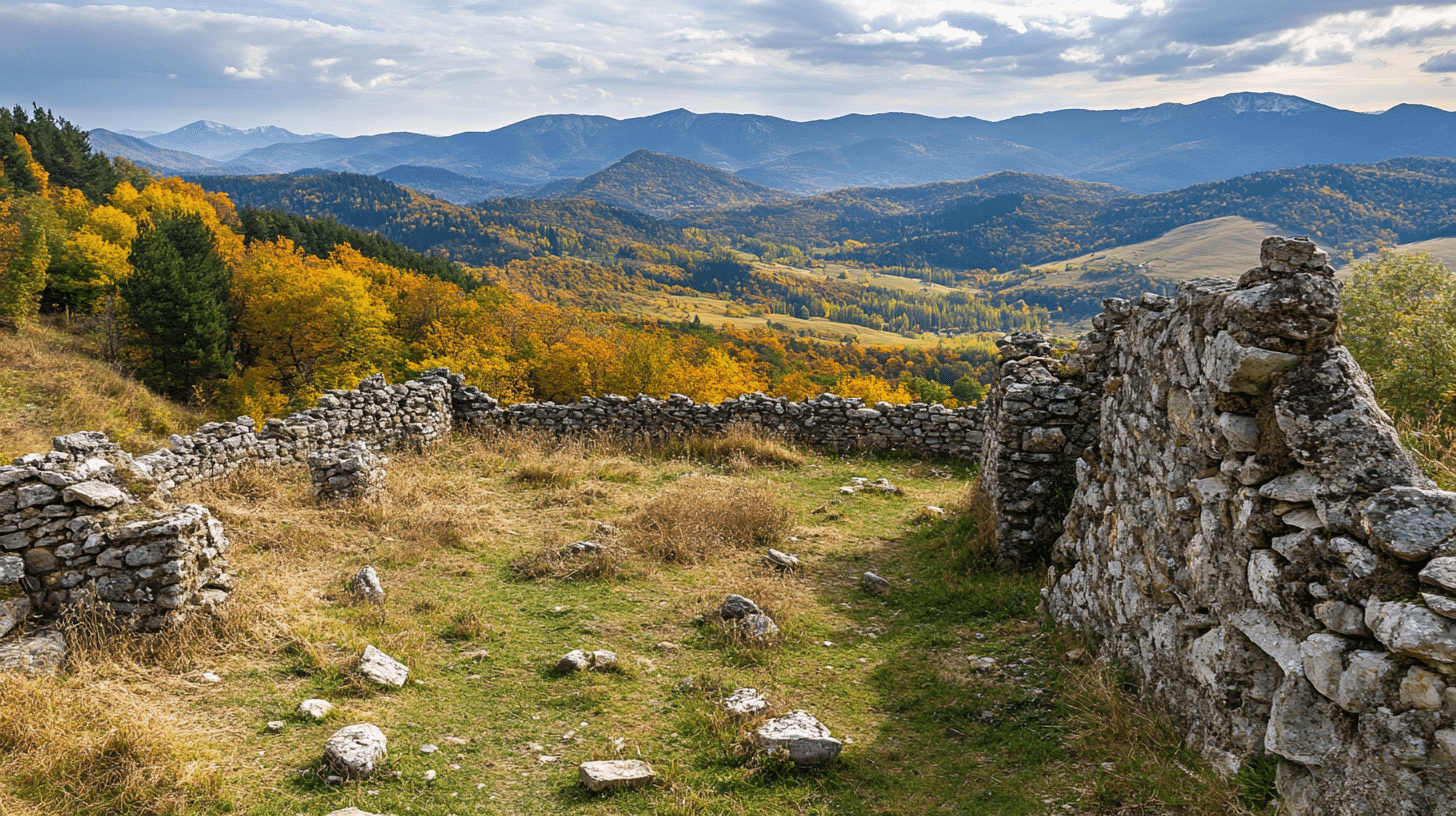
History and Importance: The ancient capital of the Dacian Kingdom, this archaeological site represents the core of pre-Roman civilization in Romania. Located in the Orăștie Mountains, it served as a crucial political and religious center for the Dacian people before the Roman conquest. The site reveals complex architectural and cultural sophistication.
When to Visit: Late spring to early autumn (May-September)
Fun Facts:
- UNESCO World Heritage Site
- Contains unique circular stone sanctuaries
- Demonstrates advanced ancient engineering techniques
18. Biertan Church
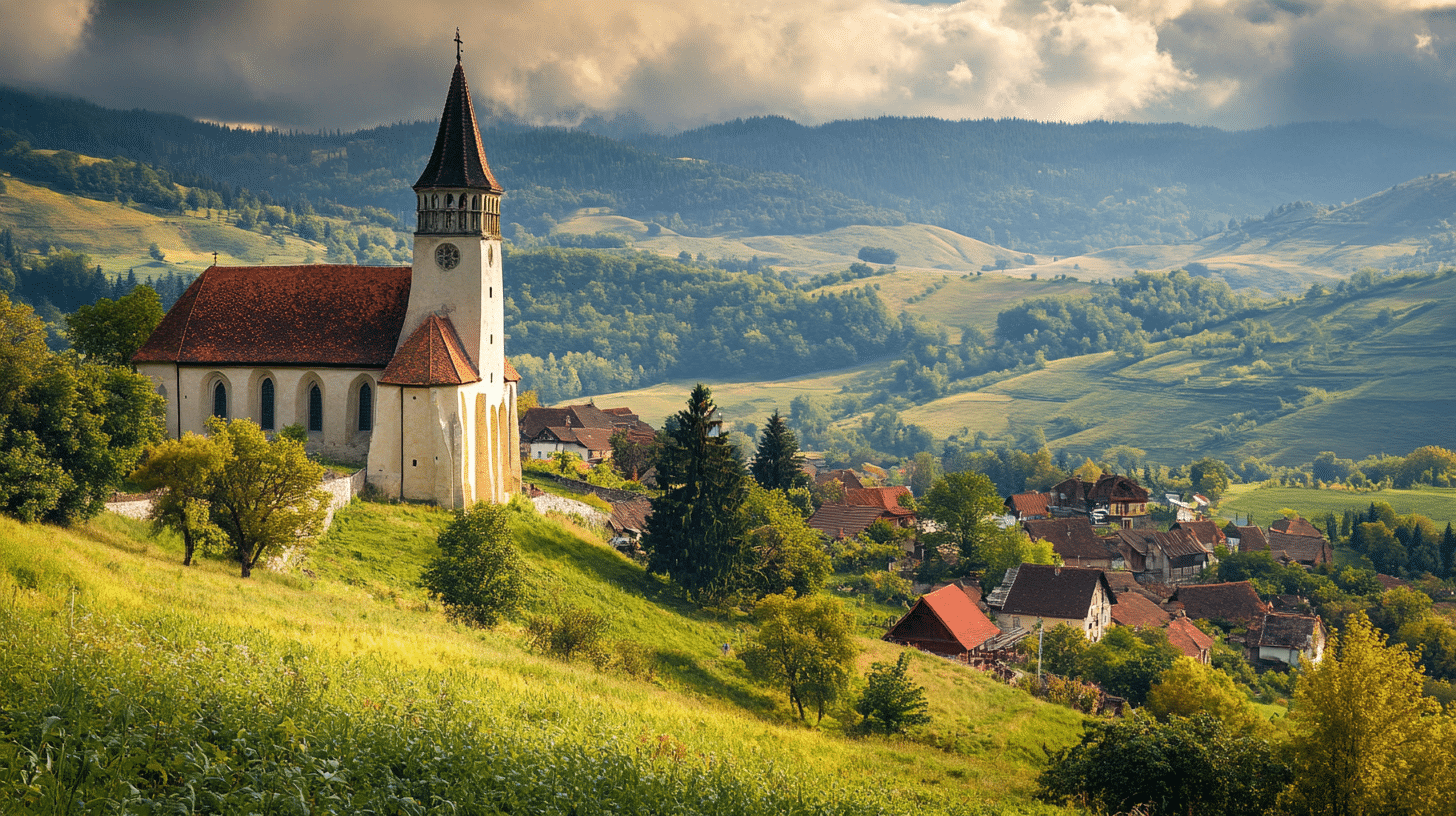
History and Importance: This 16th-century fortified Lutheran church in Transylvania represents Saxon architectural and religious heritage. Built on a hill overlooking the village, it exemplifies the defensive church structures typical of medieval Transylvanian settlements. Recognized as a UNESCO World Heritage Site, it showcases remarkable architectural and cultural significance.
When to Visit: Summer months (June-August)
Fun Facts:
- Unique lock system on main entrance
- Contains intricate wood craftsmanship
- Served as a defensive structure
19. Danube Delta
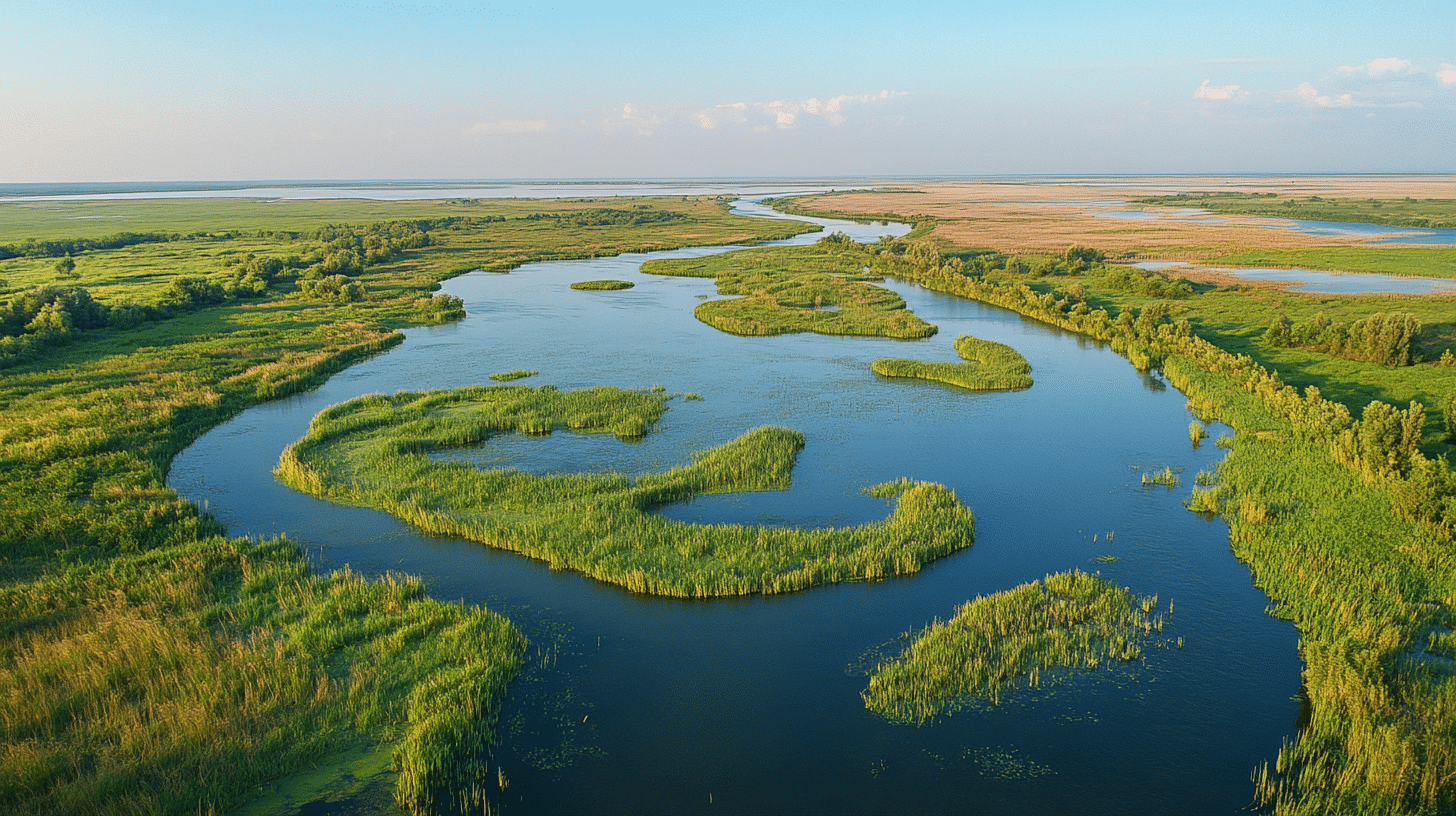
History and Importance: A UNESCO World Heritage Site, the Danube Delta represents one of Europe’s most complex ecological systems. Formed over thousands of years, this unique landscape where the Danube meets the Black Sea hosts extraordinary biodiversity and serves as a critical habitat for numerous plant and animal species.
When to Visit: Spring and early summer (April- June)
Fun Facts:
- Home to over 300 bird species
- Contains 5,800 square kilometers
- Recognized as a Biosphere Reserve
20. The Endless Column (Coloana Infinitului)

History and Importance: Created by the renowned sculptor Constantin Brâncuși in 1938, this monument in Târgu Jiu symbolizes infinite sacrifice. It is part of a memorial complex honoring Romanian soldiers who defended the city during World War I and represents a fundamental work of modern sculpture. The column embodies philosophical concepts of eternity and remembrance.
When to Visit: Year-round accessible
Fun Facts:
- Made of modular metal segments
- Part of a larger memorial ensemble
- Considered a masterpiece of modern sculpture
21. Mud Volcanoes (Berca)
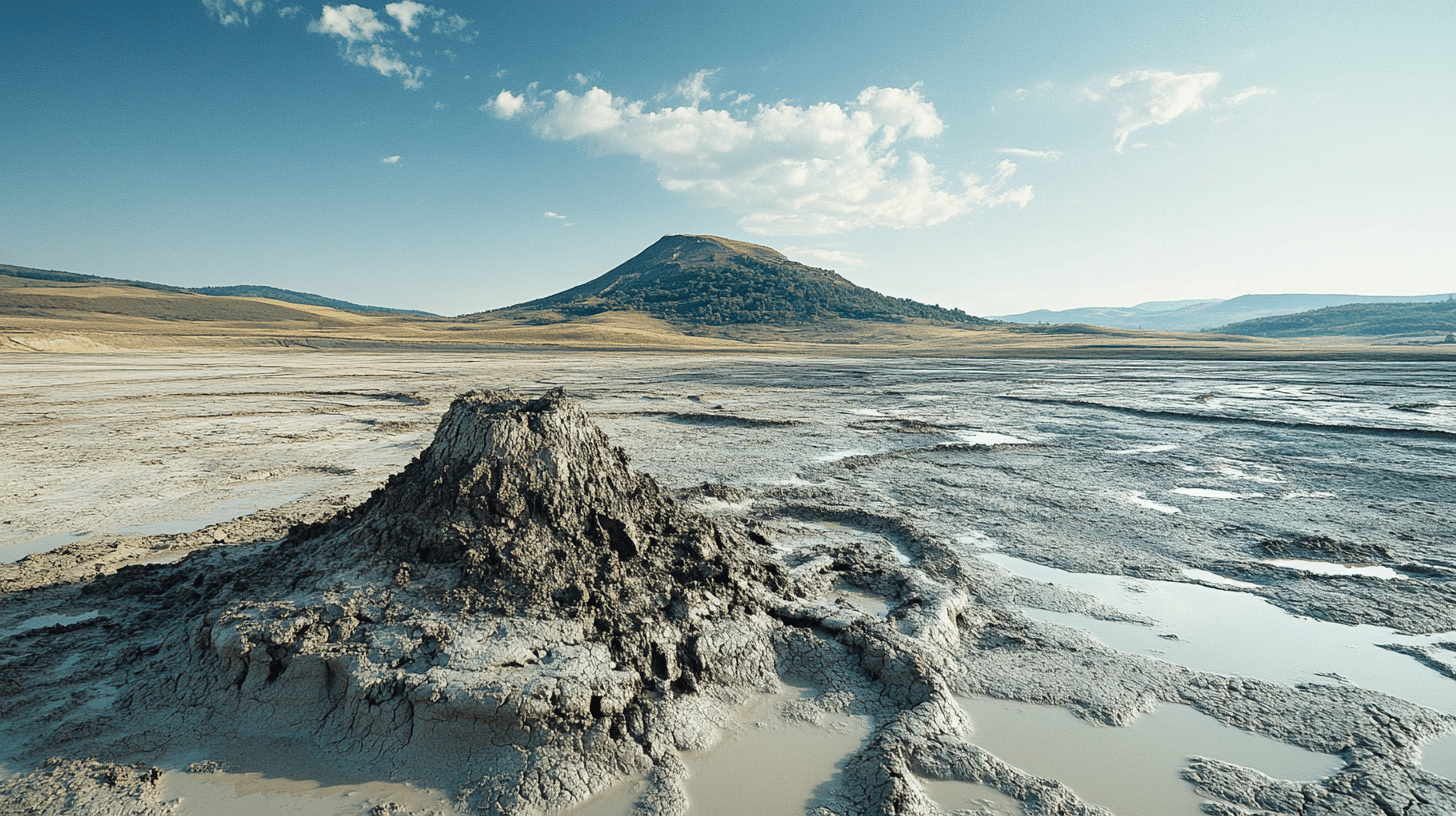
History and Importance: A geological phenomenon in Buzău County, these mud volcanoes create a surreal landscape through natural gas and mud eruptions. Formed by geological processes pushing underground gases through clay deposits, the site represents a unique natural wonder. The lunar-like terrain attracts scientists and photographers worldwide.
When to Visit: Late spring to early autumn (May-September)
Fun Facts:
- Covers approximately 30 hectares
- Lowest altitude volcanic landscape
- Protected natural area.
22. Coral Temple (Templele Coral)
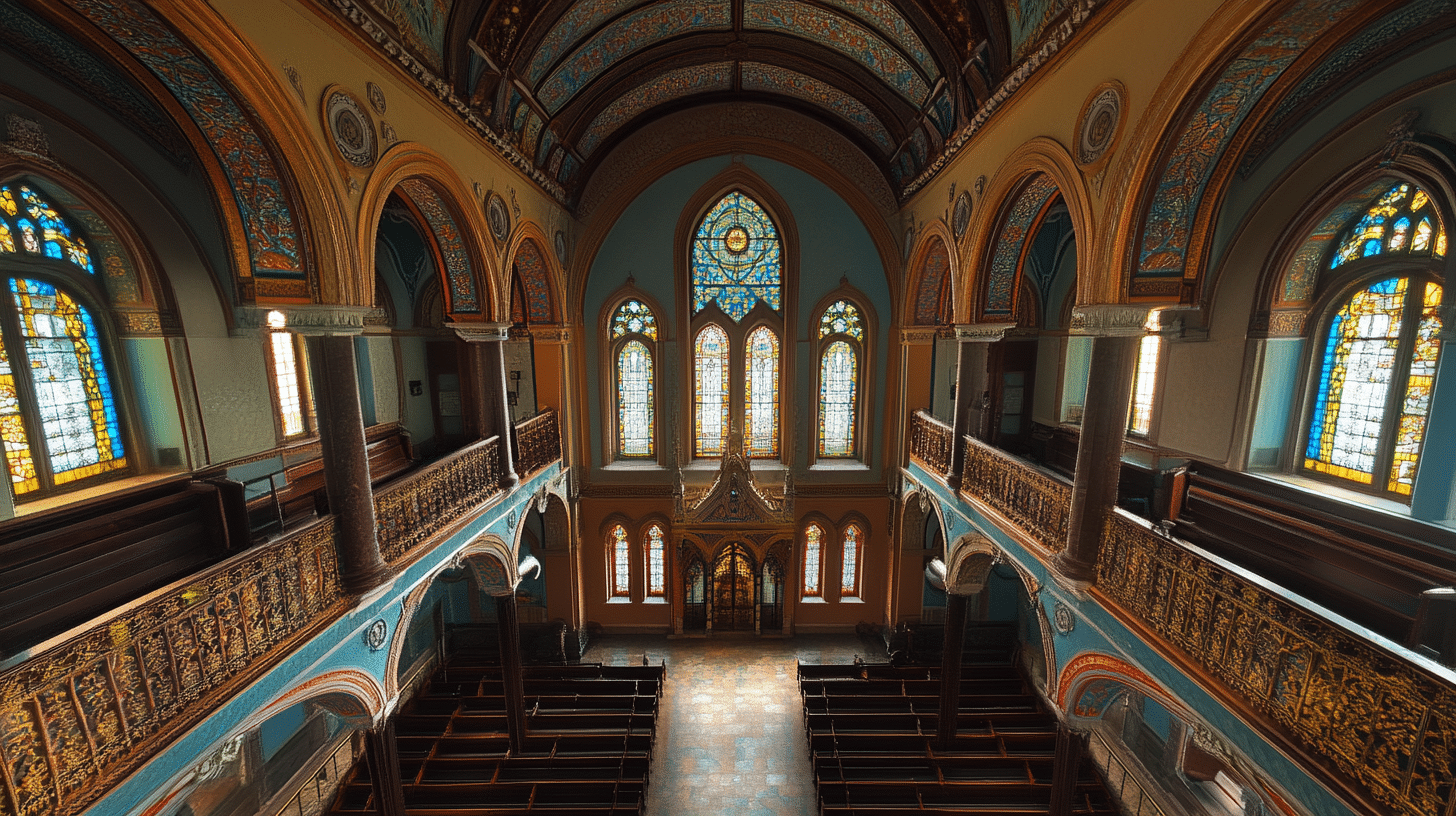
History and Importance: A significant Jewish synagogue in Bucharest, constructed in 1857, represents the cultural and religious heritage of Romania’s Jewish community. Located in the city’s historic center, the temple survived multiple historical challenges and serves as a critical symbol of religious tolerance and cultural diversity in Romania’s capital.
When to Visit: Spring and autumn (April-June, September-October)
Fun Facts:
- Designed in Moorish-Byzantine style
- Survived World War II
- Houses important religious artifacts
23. Scaunul Domnesc (Prince’s Throne)
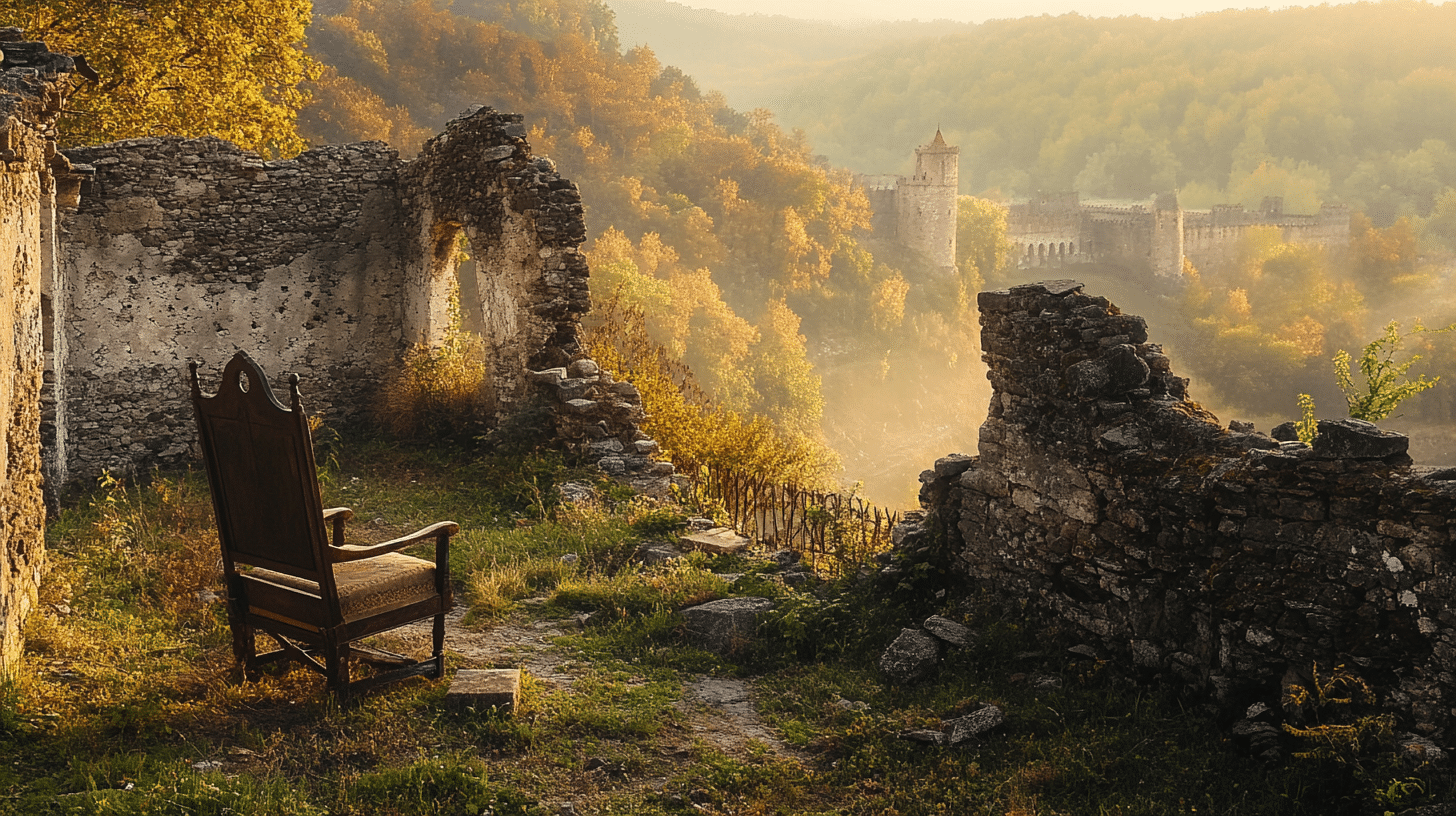
History and Importance: Located in Suceava, this historic site represents the administrative center of medieval Moldavia. Used by Moldavian princes as an official seat of governance, it symbolizes the region’s political power during the 14th-16th centuries. The site connects visitors to the rich governmental history of Romanian principalities.
When to Visit: Late spring to early autumn (May-September)
Fun Facts:
- Part of Suceava Fortress complex
- Connected to important historical rulers
- Significant archaeological site
24. Piața Unirii (Union Square)
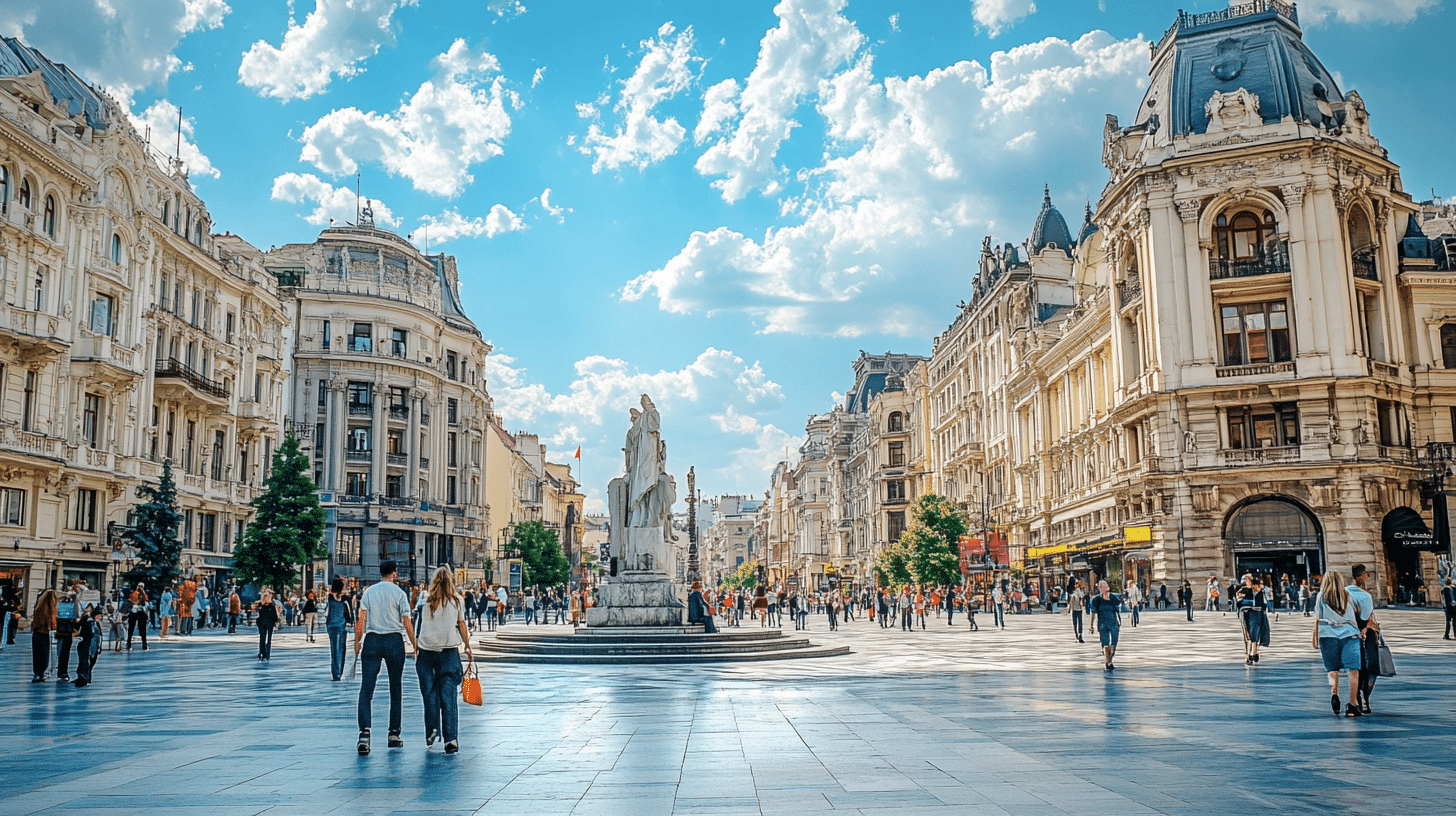
History and Importance: This is a central square in Bucharest with deep historical significance, surrounded by important buildings, including the University of Bucharest. The location has witnessed numerous important political and social events throughout Romania’s modern history. It represents a critical gathering point for the city’s cultural and civic life.
When to Visit: Year-round accessibility
Fun Facts:
- Central point of Bucharest
- Surrounded by significant historical buildings
- Hosts various cultural events
25. Dimitrie Gusti National Village Museum
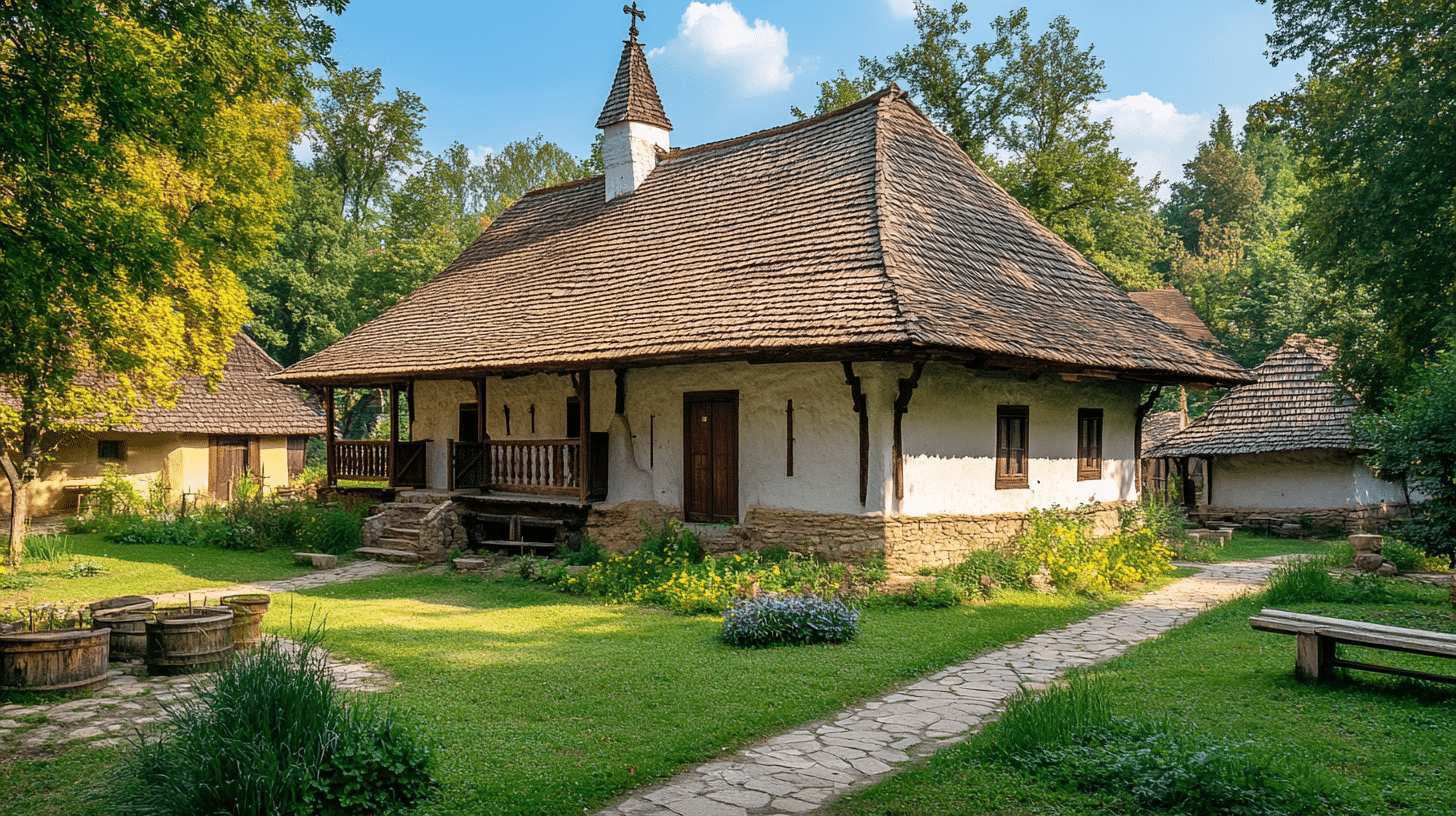
History and Importance: This open-air museum, established in 1936, showcases traditional Romanian rural architecture from various regions. Named after sociologist Dimitrie Gusti, it preserves and presents the rich cultural heritage of Romanian rural life. It contains authentic houses, churches, and farm buildings from different historical periods.
When to Visit: Spring to autumn (April-October)
Fun Facts:
- Covers 10 hectares
- Contains over 300 traditional buildings
- Represents multiple Romanian regions
26. Cărturești Carusel

History and Importance: A remarkable bookstore housed in a restored 19th-century building in Bucharest’s old town. Transformed from a historic residence, this cultural space represents the revival of architectural heritage. The interior combines modern design with historical architectural elements, creating a unique literary and cultural environment.
When to Visit: Year-round
Fun Facts:
- Six-level cultural space
- Combines historical architecture with modern design
- Houses extensive book collection
27. The Romanian Academy (Academia Română)
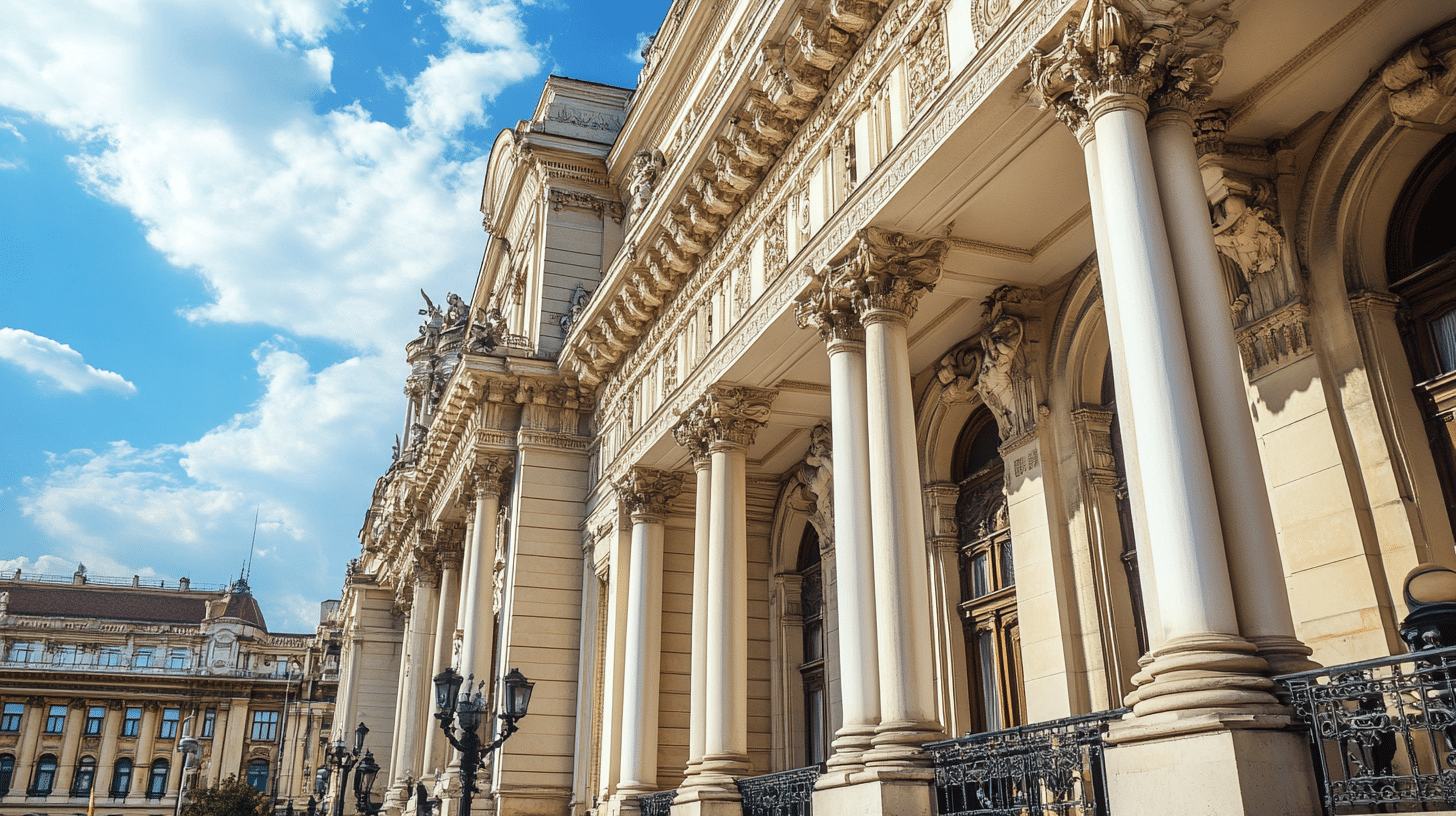
History and Importance: Founded in 1866, this prestigious institution represents the pinnacle of Romanian scientific and cultural research. Located in a magnificent neo-classical building in Bucharest, it serves as a critical center for scientific research, literary preservation, and academic excellence. The academy has shaped Romanian intellectual life for generations.
When to Visit: Limited public access Guided tours by arrangement
Fun Facts:
- Houses extensive historical library
- Significant research institution
- Hosts important cultural collections.
Conclusion
As you learn about and wish to visit these extraordinary landmarks, you’ll realize that Romania is far more than a destination—it’s an experience that lingers in your memory.
Each site tells a unique story of resilience, creativity, and cultural richness.
Whether you’re a history enthusiast, nature lover, or curious traveler, Romania’s landmarks promise an unforgettable adventure that connects you to centuries of human spirit and natural wonder.
Please go through our website for more such blogs.
Frequently Asked Questions
What is Romania famous for?
Romania is famous for its Carpathian Mountains, wine, medieval castles, Dracula, sarmale (stuffed cabbage), Dacia cars, the Black Sea, sunflower fields, painted monasteries, and the Danube Delta.
Romania is rich in what?
Romania has vast agricultural land, diverse energy sources, an aging manufacturing base, and growing tourism opportunities along the Black Sea.
What is the currency of Romania called?
The currency of Romania is the Romanian Leu.
